Warning! Web API Url is not set for the Speaker Bios.
 Dave Alburty, CEO, InnovaPrep
CEO
InnovaPrepMr. Alburty has over twenty-five years’ experience in the Biodefense and Aerosol Research Industry. Beginning at Midwest Research Institute (MRI) in Kansas City his work as a staff research scientist centered on aerosol studies in environmental and biodefense applications. After serving fifteen years at MRI, Dave founded an aerosol science and engineering R&D test and evaluation/product development lab in Drexel Missouri. The Lab offered third party validation to developers of many large-scale Homeland Security and Department of Defense projects as well as various commercial products. Through his work in the biodefense industry, Dave recognized a missing technology between bio-collection and rapid biodetection/identification. That link is the advancement of sample preparation and biological concentration technologies. Through internal research and development projects at his lab, The InnovaPrep System was developed to fulfill that need. InnovaPrep LLC was subsequently launched in June 2009 as a manufacturer and integrator of biological sampling and concentration systems and solutions.
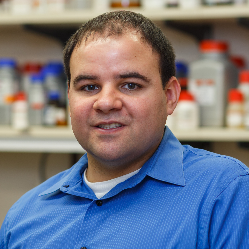 Nathan Alves, PhD, Assistant Professor/Director of Translational Research, Emergency Medicine, Indiana University School of Medicine
Assistant Professor | Director of Translational Research
Indiana University School of MedicineDr. Alves received his PhD in Chemical and Biomolecular Engineering from the University of Notre Dame. The research he conducts, while spanning many disciplines, is centered on the development of translational technologies, treatments, and techniques that can be utilized to have a positive impact on people’s lives. He has extensive experience in: site-specific antibody modification, oriented antibody immobilization for advanced diagnostics, nanoparticle delivery, and packaging of pharmaceutical agents/enzymes to treat various diseases. Currently, Dr. Alves is an Assistant Professor and Director of Translational Research at the Indiana University School of Medicine in the Department of Emergency Medicine with a joint appointment at Purdue in Biomedical Engineering. His multidisciplinary background affords him a unique perspective to tackle complex medical device and therapeutic development problems.
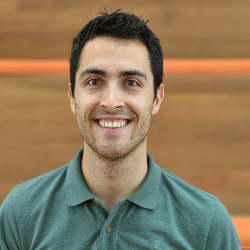 Jon Arizti Sanz, Graduate Student, Massachusetts Institute of Technology
Graduate Student
Massachusetts Institute of TechnologyJon is a currently a 5th PhD candidate in Medical Engineering in a joint program between Harvard University and Massachusetts Institute of Technology. He's conducting his thesis research in Prof. Pardis Sabeti's lab at the Broad Institute (USA). His research focuses on the development and implementation of new advanced technologies for the detection, identification and surveillance of high-stakes infectious diseases (e.g.; coronaviruses, influenza virus, Lassa virus), involving wet-lab experiments, computational analysis/approaches and field work. He's highly interested in biosafety and biosecurity and he recently attended the 9th Review Conference of the Biological Weapons Convention as part of the Youth Delegation for Biosecurity.
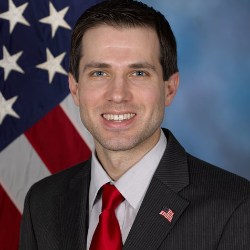 Cory Bernhards, PhD, Research Biologist, DEVCOM Chemical Biological Center
Research Biologist
DEVCOM Chemical Biological CenterDr. R. Cory Bernhards is a Research Biologist in the BioDefense Branch of the U.S. Army DEVCOM Chemical Biological Center at Aberdeen Proving Ground, MD. His research programs focus on the development of fieldable and automated detection systems for biothreat agents including rapid sample preparation, isothermal amplification, and nanopore sequencing technology. Previously, Dr. Bernhards worked as a Research Microbiologist for the Defense Threat Reduction Agency (DTRA) Research and Stem Center of Excellence Division. Prior to that, he was an NRC Postdoctoral Fellow at the U.S. Army Medical Research Institute of Infectious Diseases (USAMRIID) at Ft. Detrick, MD where he gained extensive BSL-3 research experience on bacterial biothreat agents. Dr. Bernhards received both his B.S. and Ph.D. degrees in Biological Sciences from Virginia Tech.
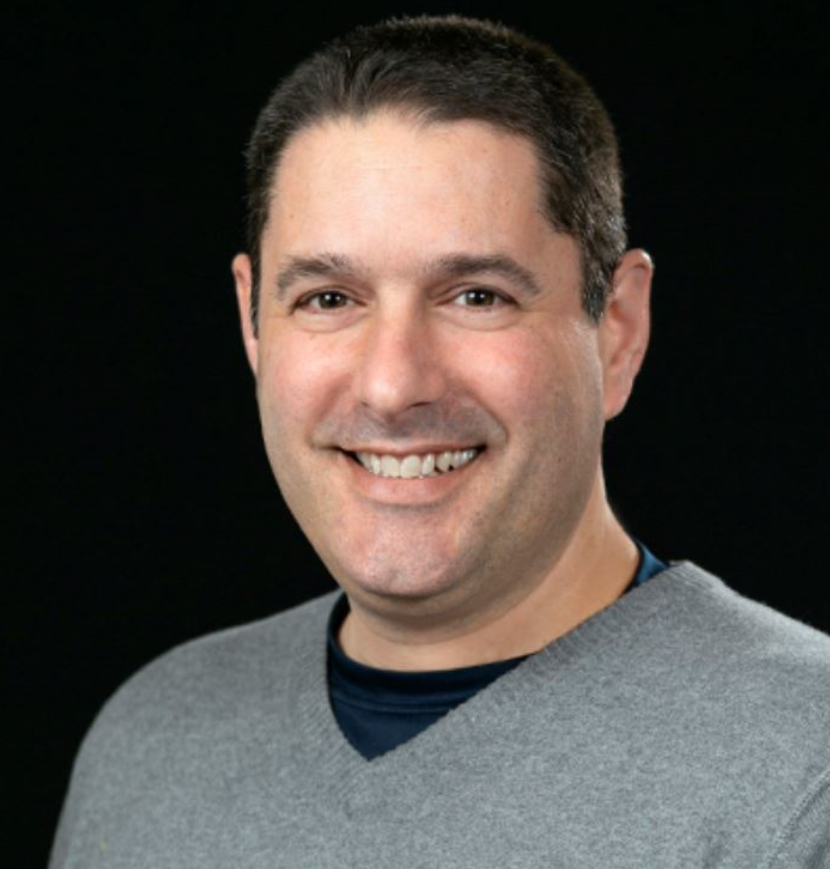 James Brayer, Associate Director, Market Development, Oxford Nanopore Technologies
Associate Director Market Development
Oxford Nanopore TechnologiesJames Brayer is an Associate Director of Market Development at Oxford Nanopore Technologies, Inc. (ONT). He received his B.A. from Colby College. Mr. Brayer has over 30 years of cumulative experience in the Life Science and OMICS markets holding roles in market development, marketing, technical sales, scientific support and basic research. James has been a member of the ONT commercial team for 7 years. Led by his passion to help his customers utilize Oxford Nanopore’s ‘Nanopore Sensing’ technology, James is focused on building awareness through public speaking and engagement with customers on novel and existing applications. James had the privilege to work with NASA scientists on the Biomolecule Sequencer Project to send the first MinION to the International Space Station and perform the first ever NGS experiments in Low Earth Orbit (LEO). He loves to discuss this project with anyone interested to listen. He currently leads the ONT global market development team focusing on developing ONTs existing market segments and finding new market segments to utilize ONT’s nanopore sequencing platform.
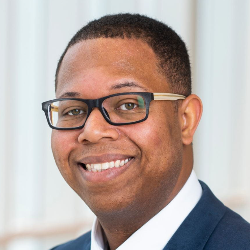 Kevin Daniels, PhD, Assistant Professor of Electrical and Computer Engineering, University of Maryland
Assistant Professor
University of MarylandDr. Kevin M. Daniels is an Assistant Professor in the Department of Electrical and Computer Engineering, the Institute for Electronics and Applied Physics, and the Fischell Institute for Biomedical Devices at the University of Maryland, College Park. Before joining UMD, Dr. Daniels was a National Research Council Postdoctoral Fellow residing at the U.S. Naval Research Laboratory (Washington, D.C.) from 2014-2017. He received his BS, ME, and PhD from the University of South Carolina in Electrical Engineering in 2009, 2012, and 2014, respectively. His lab, the Dimensional Materials Laboratory, focuses on 2D material synthesis, plasmonics, electrochemical functionalization, and chemical and biological sensing. Dr. Daniels is an NSF CAREER recipient, and his scientific contributions have led to over 30 publications in the areas of 2D and wide bandgap semiconductor materials.
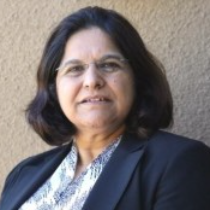 Sulatha Dwarakanath, PhD, CEO, Kaya17
CEO
Kaya17Dr. Sulatha Dwarakanath has a background in medical diagnostics for the past 25 years. She has worked in R&D, clinical trials and business development in various Diagnostics companies, such as Siemens, Thermo Fisher and Roche. Su is the co-founder and CEO of Kaya17, that offers novel Point of Care Testing (POCT) Solutions for the medical diagnostic industry. Kaya17 is delivering a 15 mins (Rapid) sample to results, accurate and cost effective solution for COVID-19. She has. PhD in Cancer Biology from NYU.
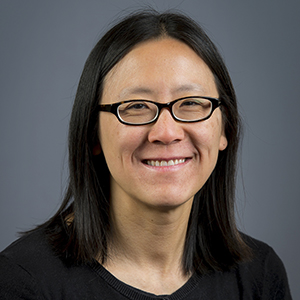 Elain Fu, PhD, Associate Professor, Bioengineering, Oregon State University
Associate Professor
Oregon State UniversityElain Fu is an Associate Professor of Bioengineering at Oregon State University. Elain received a Sc.B. degree in Physics from Brown University, and M.S. and Ph.D. degrees in Physics from the University of Maryland, College Park. Her research focus has been microfluidics-based sensor development with the goal of using an understanding of the physics and chemistry of device operation to improve device performance for field applications. Most recently, she has been active in the area of capillarity-based microfluidics to create high-performance analyte detection for precision health applications. She has published 50 articles in peer-reviewed journals and is a co-inventor on multiple patents and patent applications.
 Asha George, PhD, Executive Director, Bipartisan Commission on Biodefense
Executive Director
Bipartisan Commission on BiodefenseDr. Asha M. George is a public health security professional whose research and programmatic emphasis has been practical, academic, and political. She served in the US House of Representatives as a senior professional staffer and subcommittee staff director at the House Committee on Homeland Security in the 110th and 111th Congress. She has worked for a variety of organizations, including government contractors, foundations, and non-profits. As a contractor, she supported and worked with all Federal Departments, especially the Department of Homeland Security and the Department of Health and Human Services. Dr. George also served on active duty in the U.S. Army as a military intelligence officer and as a paratrooper. She is a decorated Desert Storm Veteran. She holds a Bachelor of Arts in Natural Sciences from Johns Hopkins University, a Master of Science in Public Health from the University of North Carolina at Chapel Hill, and a Doctorate in Public Health from the University of Hawaii at Manoa. She is also a graduate of the Harvard University National Preparedness Leadership Initiative.
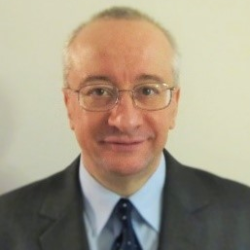 Borislav Ivanov, PhD, Principal Investigator, Department of Chemical Engineering, Vanderbilt University
Principal Investigator
Vanderbilt UniversityM.S. in Chem. Engineering — Technology of Semiconductor Materials,
Ph.D. in Material/Physical Chemistry, Habilitation — Privat-docent in research area: “Technology of Semiconductor Materials and Integrated Circuits.â€
Appointments:
03/2022 — Staff and Principal Investigator of NSF EAGER $299,987 award with title: “MEMS Enabled Real Time Detection of Pathogens Viruses & Biomarkersâ€
11/2019 – 11/2021 — Research Associate Professor, Department of Chemical & Biomolecular Engineering, Vanderbilt University, Nashville, TN, — Research position in materials science and laser materials chemistry research.
09/2018 – 06/2019 — Senior Scientist, Quantum Design Materials (QDM) LTD, Ithaca, NY, Development of new quantum materials for electronic applications using fundamental science and application research.
08/2016 – 08/2018 — Lecturer, Department of Chemistry, Vanderbilt University, Nashville, TN; USA, Development of new Physical Chemistry Laboratory for undergraduate students, which include setting-up Raman, CD Digital Polarimeter, AFM, TGA and DSC instruments and developing lab instructions for students; Instructor for Capstone Laboratory which aim to introduce undergraduate student to the first research projects.
09/2009 – 08/2016 — Research Associate Professor, Department of Physics and Department of Chemical & Biomolecular Engineering, Vanderbilt University, Nashville, TN, USA, Research on Atomic Layer Deposition Reactor for hydroxyapatite deposition on 3D printed biopolymer scaffold; Microelectronic technology for electron gun diamond field nano emitters, which require 37 technological steps.
07/2003 – 09/2009 — Research Assistant Professor, Department of Physics, Vanderbilt University, Nashville, TN, USA, Laser induced Materials Chemistry; Discovery and development of Confined Plume Chemical Deposition (CPCD) process as a new material’s synthetic strategy and new laser additive manufacturing process for composite materials.
08/2000 – 06/2003 — Senior Research Associate, Department of Physics, Vanderbilt University, Nashville, TN, USA; Laser- tissue interactions for laser surgery, Development of Sr vapor laser as a table top alternative of Free Electron laser for biomedical application.
Education:
2001, April, Habilitation – Privat-docent in the research area –“Technology of Semiconductor Materials and Integrated Circuitsâ€, Supreme Testimonial Committee of Bulgaria
1994, Ph.D. Degree in Material/Physical Chemistry, conducted in University of Chemical Technology and Metallurgy, Sofia, Bulgaria; Subject of Ph.D. Thesis: "Laser chemical vapor deposition of thin Al layers from organometallic precursors by copper vapor laserâ€
1986, B.S. and M.S. Degree in Chemical Engineering - 5 Years; 9 semesters courses and 1 semester experimental M.S. Thesis from University of Chemical Technology and Metallurgy, Sofia, Bulgaria; Major in “Technology of semiconductor materials," Subject of M.S. Thesis: "Apparatus for laser induced chemical deposition from gas phase of thin layers from metal-organic compound"; One of the top-three students graduating from the University
Experience and Skills:
Extensive experience with applications of UV, visible and IR lasers with femto, pico, nano and microsecond pulse duration as Ti:sapphire, Nd:YAG pumped OPO Lasers, IR Tunable Free Electron Lasers, Excimer, Cu, CuBr, Sr, Nd:YAG, SHG of Nd:YLF, Er:YAG, CO2 and Raman Lasers in Materials Processing, Materials Science, Materials Chemistry and Medicine
Fundamental understanding and extensive experience in all Laser Materials Interactions, including laser machining, laser surface modification, high aspect laser drilling, PLD, laser CVD, laser materials chemistry and laser chemical etching applied to metal, semiconductor, ceramic and polymer materials.
Substantial experience in thin films technology & ultra-high vacuum equipment in clean room setting.
Experience with microfluidic devices and soft lithography, pH sensors and biosensors with micron sizes.
Microwave Plasma Enhanced CVD of nano and polycrystalline diamond, diamond films brazing to Mo.
Focused Ion Beam Etching, Reactive Ion Etching of metal, semiconductor and dielectric materials,
E-Beam deposition, microwave, RF & microwave PECVD of semiconductor and dielectric materials.
Electron Beam Lithography, Photolithography and Spin Coating.
Deep understanding of interrelationships of composition, structure and properties in materials science.
Proficient in various computer programs including LabVIEW Programing, Origin, Mathcad, Crystal Maker.
Extensive background and deep understanding of following analytical techniques:
SEM and EDX analysis, FTIR–transmittance, reflectance and ATR, UV-Visible spectroscopy, XRD — powder and epitaxial layers, Raman, TGA, DSC, FIB, PPMS Low Temperature Superconductivity Measurements, XPS, AFM and SNOM, CD polarimetry, Nano Particle Size Distribution, Quadrupole Mass Spectrometry, Liquid Chromatography - Mass Spectrometry, Profilometry.
Extensive experience in Materials Chemistry by Chemical Vapor Deposition, Laser Chemical Vapor
Deposition, Plasma Enhanced CVD, Laser Induced Etching.
Extensive practice in design and construction of installations for Laser Materials Processing, CVD, Optical Spectroscopy and Mass Spectrometry; Optical and electrical measurement equipment including OSA, power meter, photodiodes, oscilloscope and current, voltage, and power meters.
Laser and Plasma surface modification of polymeric and metal substrates and polymeric fibers.
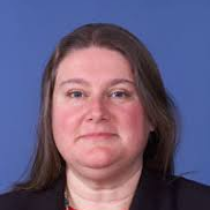 Joany Jackman, PhD, Senior Scientist, Research & Exploratory Development, Johns Hopkins University
Sr Scientist
Johns Hopkins UnivDr. Joany Jackman received a BA in American Studies from Brandeis University; subsequently, she received a BS in Biological Sciences from the University of Connecticut. Dr. Jackman received her PhD in the Program in Cell and Molecular Biology at the University of Vermont. Dr. Jackman began working in the area of infectious diseases at US Army Medical Research Institute of Infectious Diseases in 1997. The focus of this work was to develop novel methods of rapid pathogen identification and diagnosis of infection using mass spectrometry and microarray methodologies. Dr. Jackman joined the Johns Hopkins University Applied Physics Laboratory in 2000 where she has continued her work in rapid pathogen identification and advises in biocontainment facility design and operations. In 2003 she received the Christopher Columbus Homeland Security Award in the area of Emergency Response. Dr. Jackman is developing methods to analyze breath for novel markers of infection. This technology uses proteins and lipids secreted by the host in response to pathogens in the lungs to detect signs of infection prior to the appearance of symptoms. The technique is non-invasive and rapid. Analysis is carried out using mass spectrometry of exhaled breath. Both the pattern of secreted proteins and the chronology of their production are used to identify infected individuals prior to the appearance of signs and symptoms. In 2005, she received Invention of the Year from the Johns Hopkins University Applied Physics Laboratory for her work in breath diagnostics. During the past eight years, Dr. Jackman has participated in technology reviews for Department of Defense such as Joint Program Executive Office and other military agencies and conducted technology reviews and testing for DARPA. Dr. Jackman is a Sigma Xi Distinguished Lecturer where she provides presentations on Agroterrorism, Biothreat Detection, Breath as a Diagnostic, and the History of Bioterrorism. In addition, she has been an active member of the Maryland Fire Rescue Service in the Washington area and is certified to the level of EMT-B and Firefighter II.
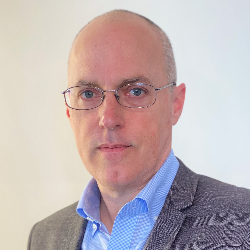 James McNamara, PhD, Scientific Founder & CEO, Nuclease Probe Technologies
Scientific Founder & CEO
Nuclease Probe Technologies IncJames founded Nuclease Probe Technologies (NPT) to develop and commercialize rapid diagnostics that are powered by the enzymatic activity of nuclease biomarkers. He has served as CEO since 2018. He is an inventor on several pending and issued patents that cover the nuclease detection technology platform and has authored twenty-five peer-reviewed scientific publications, including 8 studies involving nuclease detection technology. Since opening NPT’s R&D operation in Lowell, Massachusetts in 2019, James has overseen the development of NPT’s first product, the NucAP Pyoderma AST, a rapid antibiotic susceptibility test for canine skin infections. James was previously awarded a BS in Chemical Engineering from the University of Virginia, a PhD in Neurobiology from Duke University, and he completed a post-doctoral fellowship in RNA-based therapeutics at Duke. Prior to opening NPT’s Massachusetts operations, he was a tenured Associate Professor in the Department of Internal Medicine at the University of Iowa.
 Stergios Moschos, PhD, Associate Professor in Cellular and Molecular Sciences, Northumbria University
Associate Professor in Cellular and Molecular Sciences
Northumbria University
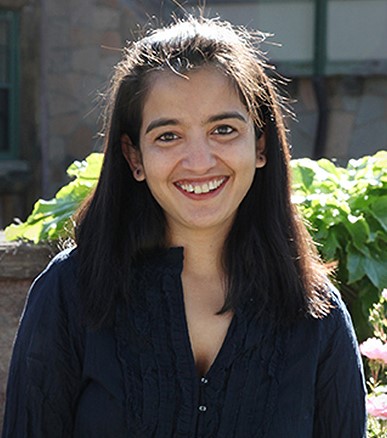 Harshini Mukundan, PhD, Scientist and Program Manager, Lawrence Berkeley National Laboratory; Senior Policy Advisor, The Council on Strategic Risks
Scientist and Program Manager
Lawrence Berkeley National LaboratoryHarshini Mukundan is currently the deputy group leader for the physical chemistry and applied spectroscopy group at the Los Alamos National Laboratory. She is also the team leader for the chemistry for biomedical applications research team, and mentor and leads several scientists, technologists, students and post-doctoral fellows in this capacity. Her team aims to develop diagnostics, therapeutics and countervention strategies for emerging infectious diseases, traumatic brain injury and cancer, by exploring science at the intersection of chemistry, biology, engineering, informatics and physics. Their core platform, the Universal Bacterial Sensor, is currently being validated for use in clinically relevant samples. This platform was the winner of an R&D100 Award in 2018, and was also awarded the Gold Prize for Corporate Social Responsibility, which was the first time this recognition was awarded to LANL. Harshi first came to the Los Alamos National Laboratory as an NIH post-doctoral fellow in 2006, before which she worked in a start-up biotechnology company for two years. She is originally from India, where she graduated with a BS(Hons) and MS degree in microbiology, after which she came to the US to pursue PhD in Biomedical Sciences. She is passionate about mentoring, STEM education and science outreach, and have been awarded mentoring recognitions from LANL, women in technology recognition from the New Mexico technology council, among other recognitions.
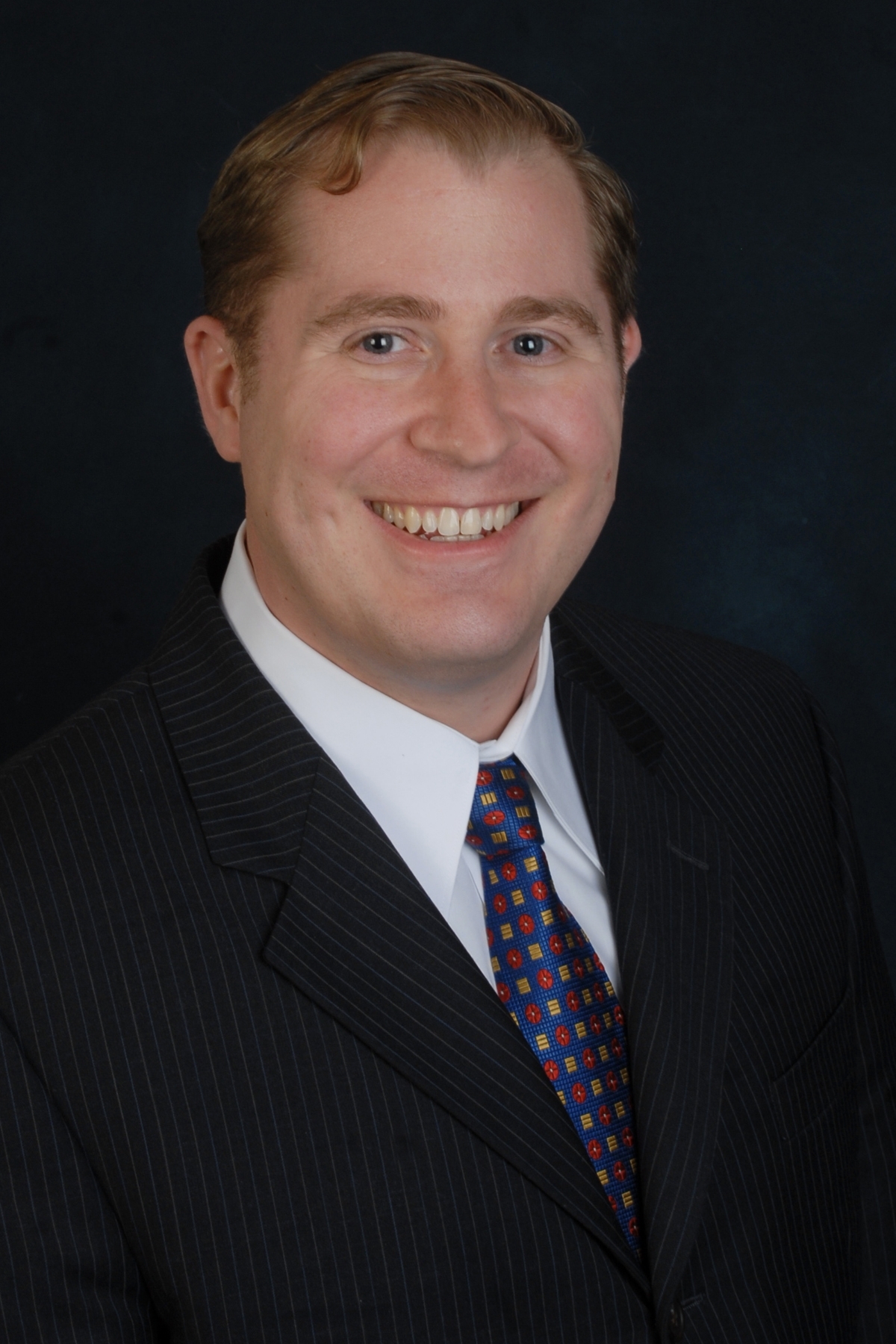 Matthew Quinn, Science Director, TATRC (Telemedicine & Advanced Technology Research Center) in Medical Research and Development Command (MRDC)
Sr Advisor
Health Resources & Svcs AdministrationMatt Quinn is the Science Director for the Army’s Telemedicine & Advanced Technology Research Center (TATRC) and leads efforts by TATRC’s research & development teams to forge the future by fusing data, humans, and machines into solutions that optimize Warfighter performance and casualty care. Matt has over 20 years of experience in health technology across federal agencies including the Agency for Healthcare Research and Quality (AHRQ), the National Institute of Standards and Technology (NIST), the Federal Communications Commission (FCC), the Heath Resources and Services Administration (HRSA), the U.S. Army as an Engineer Officer and in the private sector at Intel Corporation, where he was Managing Director of Healthcare and Life Sciences and at Teradata, where he was Healthcare Industry Manager. Mr. Quinn has been deeply involved in advancing health innovation and, while Director of Healthcare Initiatives at the FCC co-authored the FDASIA report for Congress on the regulatory framework for health technology and at AHRQ and NIST co-authored key guidance which led to “safety-enhanced design†EHR certification requirements. Matt has testified before the Senate and the House of Representatives, been recognized multiple times with the FedHealthIT100 award for driving change and advancement in the Federal Health IT ecosystem, received the HHS Distinguished Service Award, the highest honor granted by the department, the Army Meritorious Civilian Service Medal for his work in launching the National Emergency Tele-Critical Care Network (NETCCN) and the first ever National Health IT Collaborative for the Underserved "Champion of Diversity" award. He earned an engineering degree from the United States Military Academy at West Point and an MBA from Colorado State University.
 John Sagle, Deputy Executive Director, Agriculture Programs and Trade Liaison, Office of Field Operations, U.S. Customs and Border Protection
Deputy Executive Director Agriculture Programs and Trade Liaison
U.S. Customs and Border ProtectionMr. John Sagle currently serves as the Acting Deputy Executive Director for Agriculture Programs and Trade Liaison within the Office of Field Operations at CBP Headquarters. In this position, Mr. Sagle oversees both the policy and operational execution of the CBP agriculture mission.
Mr. Sagle started his career with CBP in 2006 and was an Agriculture Specialist at the Port of New York/ Newark. Mr. Sagle holds a Bachelor of Science in Agribusiness Management and Rural Development from West Virginia University.
 Muntaha Samad, PhD, Senior Scientist, Raytheon BBN Technologies
Senior Scientist
Raytheon BBN TechnologiesDr. Muntaha Samad is a Senior Scientist at Raytheon BBN Technologies and the developer of the BMD prototype. Her research focus is on the application of AI/ML methods to recognize or predict real-world events, particularly in healthcare and microbiology. Prior to joining BBN, she worked at Edwards Lifesciences and the University of California, Irvine research laboratories.
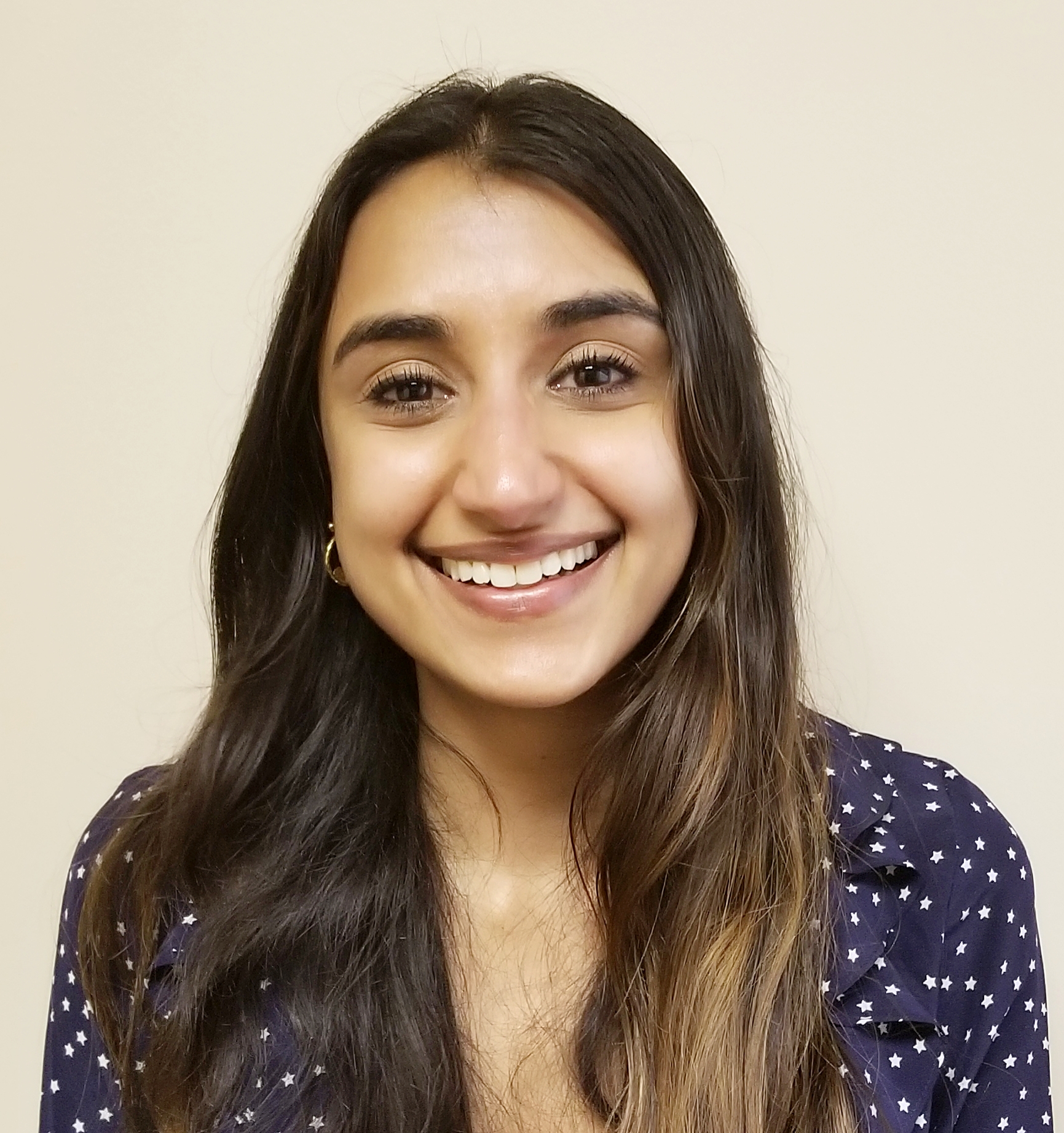 Vishaka Santosh, PhD, Senior Research Scientist, DEVCOM Chemical Biological Center, Aberdeen Proving Ground
Senior Research Scientist
DEVCOM Chemical Biological CenterVishaka Santosh, PhD is a NRC postdoctoral fellow at the DEVCOM Chemical Biological Center working with the biodefense division at Aberdeen Proving Ground, MD. Her research is focusing on developing rapid biothreat detection systems that are field-deployable. She recently completed her PhD in Physiology and Biophysics at Virginia Commonwealth University studying the role that the non-structural Rep protein/DNA complexes play in the life cycle of Adeno-associated Virus (AAV) by utilizing cryo-EM.
 Steven Schachter, MD, Professor, Neurology, Harvard Medical School; Chief Academic Officer and RADx Chief, CIMIT
Professor
Harvard Medical SchoolDr. Steven Schachter is Chief Academic Officer for the Consortia for Improving Medicine with Innovation & Technology (CIMIT) and a Professor of Neurology at Harvard Medical School. He is Past President of the American Epilepsy Society and serves on the Epilepsy Foundation of America Board of Directors. He leads the NIH-funded initiative RADx Tech through the Point of Care Technologies Research Network. Dr. Schachter has published over 250 articles and chapters and edited or written 40 books. He is a member of the Administrative Committee of the IEEE Engineering in Medicine and Biology Society (EMBS), the Clinical Editor for Journal of Translational Engineering in Health and Medicine and founding editor and editor-in-chief of the medical journals Epilepsy & Behavior and Epilepsy & Behavior Case Reports.
 Shanmuga Sozhamannan, PhD, Technical Coordinator, Joint Project Lead, Joint Program Executive Office, Defense Biological Product Assurance Office
Technical Coordinator, Joint Project Lead
JPEODr. Shanmuga Sozhamannan is the Technical Coordinator for the Defense Biological Product Assurance Office (DBPAO) formerly known as the Critical Reagents Program (CRP) within JPEO JPL CBRND Enabling Biotechnologies. In this role, he coordinates the DBPAO’s technical resources in the development, fielding, and sustainment of reagents, assays, and biothreat detection systems for the Warfighter. He serves as the DBPAO’s key interface between service laboratories, quality assurance test laboratories, and product end-users while maintaining positive government, industry, and interagency partnerships. He also serves as the JPMG-DBPAO’s representative/ subject matter expert (SME) in various interagency meetings and integrated product teams (IPTs). List of publications can be browsed @ http://scholar.google.com/citations?hl=en&user=phnav0AAAAAJ.
 Mary Sproull, PhD, Biologist, Radiation Oncology Branch, National Institutes of Health (NIH/NCI/ROB)
Biologist
NIH NCIMary Sproull is a scientist in the Radiation Oncology Branch at the National Cancer Institute. Her radiation biodosimetry work focuses on development of dose prediction animal models using a proteomic approach. She is also a doctoral student at George Mason University where she is pursuing her doctorate in Weapons of Mass Destruction and Counterterrorism studies.
 David Ussery, PhD, Director ArC GEM & Professor, Biomedical Informatics, University of Arkansas for Medical Sciences
Dir ArC GEM & Prof
Univ of Arkansas for Medical SciencesProfessor David Ussery was born and raised in Springdale, Arkansas. He has been working with bioinformatic analysis of bacterial genomes since the first sequence was published in 1995 and published one of the first textbooks in the field of Comparative Genomics. His team has published more than 200 papers, which have been cited more than 20,000 times, including five papers with more than a thousand citations. He has been a co-applicant on grants funded totaling more than $30 million, since 2010. His popular course on Comparative Genomics, taught at The Technical University of Denmark from 1997 – 2015, is now taught in the autumn semesters at UAMS; one-week workshops based on this course have been held in North and South America, Europe, Asia, and Africa. Prof. Ussery has collaborative projects with groups in Belgium, Denmark, France, Germany, The Netherlands, Norway, Spain, Sweden, and the UK, as well as in the U.S.
Prior to joining UAMS, Dr. Ussery was the Comparative Genomics Group lead at Oak Ridge National Labs, in Oak Ridge, Tennessee (2013 – 2016). He led the Comparative Microbial Genomics group at The Technical University of Denmark from 1997 – 2013, where he has successfully supervised more than 20 PhD students in bioinformatics.
Prof. Ussery received a doctorate in Molecular Biology in1993 from The University of Cincinnati College of Medicine and did a postdoctoral fellowship at Oxford University (1992 – 1996). He earned his master’s degree in biophysical chemistry at the University of New Mexico in Albuquerque. He earned a bachelor’s degree in chemistry from William Jewell College (Liberty, Missouri) in 1982, and graduated from Springdale High School (Springdale, Arkansas) in 1978.
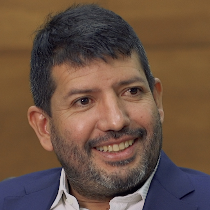 Willy Valdivia-Granda, Founder & CEO, Orion Integrated Biosciences, Inc.
Founder & CEO
Orion Integrated Biosciences IncWilly A. Valdivia is the founder and CEO of Orion Integrated Biosciences, Inc., where he heads a team of experts in genomics, computational biology, data analytics, and artificial intelligence.Since 2003, his efforts have focused on implementing algorithms for the development of medical countermeasures against known and unknown biothreats. Supported by DHS-S&T-OUP, DHS-CBP, DoD, DTRA, USDA, NIH, and the EU, Mr. Valdivia has a broad view of innovation and technology development biodefense. Willy Valdivia is the author of publications on data mining, genomics of infectious diseases, bioterrorism, and four book chapters on national security and policy. He serves as a subject matter expert for the US government and the European Commission and has active research projects in the US, Europe, Africa, and Latin-America.
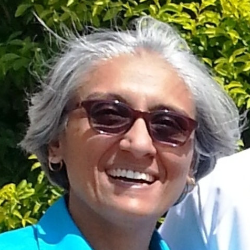 Neeraja Venkateswaran, PhD, Senior Scientist, R&D, Tetracore, Inc.
Sr Scientist
Tetracore IncNeeraja has about 30 years of academics, government, and industry experience in diverse fields of life science research and development. She has worked on assay and device development using a variety of antibody and nucleic acid-based techniques for detection and diagnostics of infectious diseases, toxins, and other biomarkers for human and animal health. She is currently actively engaged in the development of multiplex assays for infectious diseases and cancer biomarkers.
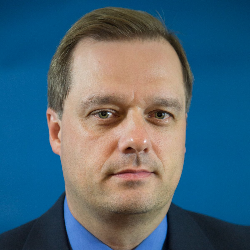 Craig Wohlers, Executive Director, Conferences, Cambridge Healthtech Institute
Dir
Cambridge Healthtech Institute